

Over 60 percent of Americans report that leaving a narcissistic relationship leaves deep emotional scars that linger long after the breakup. For many American survivors, the end of a relationship with a narcissist brings more than just heartbreak—it unleashes a cycle of confusion, anxiety, and profound self-doubt. Understanding why this experience is so intense can help individuals make sense of their emotions and find a healthier path forward.
Table of Contents
- Defining Narcissist Breakup And Emotional Impact
- Recognizing Narcissistic Abuse Patterns
- Common Stages Of Post-Breakup Recovery
- Effective Healing And Self-Care Strategies
- Rebuilding Trust And Healthy Relationships
- Avoiding Setbacks And Seeking Professional Support
Key Takeaways
| Point | Details |
|---|---|
| Understanding Narcissist Breakups | These breakups involve profound emotional manipulation, leading to significant psychological trauma, including self-doubt and confusion. |
| Recognizing Abuse Patterns | Narcissistic abuse follows a structured cycle and employs tactics like gaslighting and love bombing to maintain control over victims. |
| Stages of Recovery | Recovery is nonlinear, progressing through shock, grief, anger, acceptance, and involves personalized coping strategies for emotional healing. |
| Rebuilding Trust | Establishing healthy relationships requires gradual trust-building, emotional boundaries, and professional guidance to avoid repeating past patterns. |
Defining Narcissist Breakup and Emotional Impact
A narcissist breakup represents a uniquely challenging emotional experience characterized by complex psychological manipulation and profound psychological injury. Unlike typical relationship endings, these breakups involve deliberate emotional destabilization designed to maintain the narcissist’s sense of power and control. Research from ScienceDirect reveals fascinating insights into how individuals with narcissistic traits process romantic separations, demonstrating significant variations in emotional responses.
The emotional impact of a narcissist breakup is multifaceted and often traumatic. Individuals experiencing these breakups typically encounter intense psychological challenges such as gaslighting, sudden emotional withdrawal, and strategic attempts to undermine the victim’s self-worth. Emotional healing workflows can help survivors understand and navigate these complex dynamics. Key emotional consequences often include:
- Profound self-doubt and diminished self-esteem
- Persistent feelings of confusion and disorientation
- Heightened anxiety and potential depression
- Difficulty trusting future romantic relationships
- Emotional exhaustion from prolonged psychological manipulation
Scientific research highlights two distinct narcissistic response patterns during breakups. Individuals with high narcissistic admiration tend to experience less personal distress and maintain relatively positive perspectives about their former partners. Conversely, those exhibiting high narcissistic rivalry demonstrate significantly more negative emotional reactions, frequently blaming their ex-partners and experiencing intense psychological turmoil. Understanding these narcissistic behaviors becomes crucial for survivors seeking comprehensive healing and emotional recovery.
Recognizing Narcissistic Abuse Patterns
Narcissistic abuse represents a sophisticated and deeply manipulative form of psychological manipulation that follows carefully structured patterns designed to systematically erode an individual’s sense of self-worth and autonomy. Research indicates these patterns are not random but strategically implemented behaviors aimed at maintaining complete emotional control. Mental health experts emphasize understanding these intricate dynamics as crucial for survivors seeking healing and recovery.
The abuse cycle typically progresses through four distinct stages, each carefully orchestrated to maintain the narcissist’s psychological dominance:
- Idealization: Initial phase of intense affection and excessive praise
- Devaluation: Gradual undermining of victim’s self-esteem
- Discard: Abrupt emotional abandonment
- Hoovering: Attempt to re-engage the victim after discard
Narcissistic manipulation techniques are remarkably sophisticated and often go unrecognized. Common strategies include love bombing (overwhelming displays of affection), gaslighting (systematic psychological manipulation to make victims doubt their perception), and stonewalling (emotional withdrawal as a form of punishment). These tactics create a complex psychological environment where victims experience profound confusion, diminished self-confidence, and persistent emotional uncertainty. Understanding signs of abusive relationship patterns becomes critical for individuals seeking to protect their mental and emotional well-being.

Common Stages of Post-Breakup Recovery
Recovering from a narcissistic relationship involves a complex emotional journey that extends far beyond typical breakup experiences. Psychological research reveals that post-breakup healing is not a linear process but a nuanced progression through various emotional stages. Coping with relationship loss requires understanding and navigating these intricate psychological transitions.
The recovery process typically encompasses several critical stages:
- Shock and Denial
- Initial disbelief about the relationship ending
- Emotional numbness as a protective mechanism
- Difficulty accepting the reality of separation
- Grief and Emotional Turbulence
- Experiencing intense emotional pain
- Processing feelings of abandonment
- Confronting deep-seated insecurities
- Anger and Resentment
- Recognizing manipulation tactics
- Processing betrayal and emotional trauma
- Developing healthy boundaries
- Acceptance and Self-Reconstruction
- Reclaiming personal identity
- Rebuilding self-confidence
- Developing resilience and emotional independence
Scientific studies highlight that individual recovery trajectories vary significantly. Some survivors with high narcissistic admiration tendencies experience less emotional distress, while those with narcissistic rivalry characteristics often struggle with more prolonged and intense emotional recovery periods. Understanding these nuanced psychological responses becomes crucial for developing personalized healing strategies that address individual emotional needs and promote comprehensive psychological restoration.
Effective Healing and Self-Care Strategies
Healing from narcissistic abuse requires a comprehensive and intentional approach to self-care that addresses both psychological and emotional restoration. Survivors must develop strategic interventions that rebuild self-worth, establish healthy boundaries, and cultivate emotional resilience. Starting a self-care routine becomes a critical component of the recovery process, allowing individuals to reclaim their sense of personal agency and emotional stability.
Key self-care strategies for survivors include:
- Therapeutic Support
- Individual counseling
- Group therapy sessions
- Trauma-informed psychological interventions
- Emotional Regulation Techniques
- Mindfulness meditation
- Journaling
- Cognitive behavioral strategies
- Stress management practices
- Boundary Establishment
- Clear communication skills
- Learning to say no
- Recognizing and avoiding toxic relationship patterns
- Personal Growth Activities
- Pursuing new hobbies
- Building independent social connections
- Developing personal skills and interests
Research emphasizes the transformative power of targeted healing approaches. Survivors who actively engage in structured self-care demonstrate remarkable psychological resilience, gradually transitioning from survival mode to a state of genuine personal empowerment. The journey involves systematically rebuilding self-confidence, processing emotional trauma, and creating a sustainable framework for long-term emotional well-being.
Rebuilding Trust and Healthy Relationships
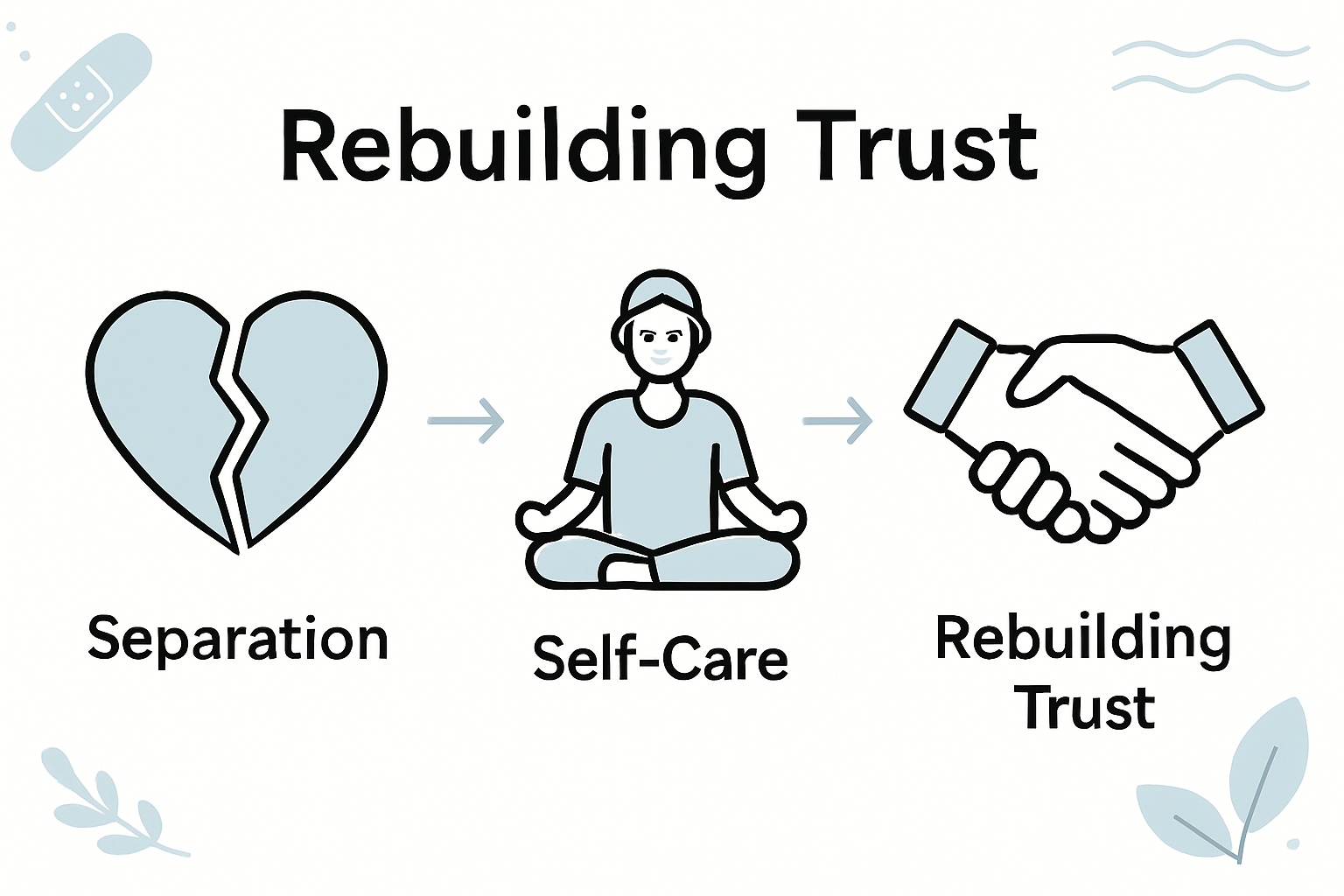
Reestablishing trust after narcissistic abuse requires a deliberate, patient approach that prioritizes personal healing and psychological safety. Relationship reconstruction is not about rushing into new connections, but about developing a profound understanding of healthy interpersonal dynamics and personal boundaries. Improving communication skills becomes a critical foundation for rebuilding trust and creating authentic, supportive relationships.
Key strategies for rebuilding trust include:
- Self-Reflection and Awareness
- Identifying personal relationship patterns
- Understanding past relationship dynamics
- Recognizing red flags and manipulation tactics
- Emotional Boundaries
- Setting clear personal limits
- Learning to prioritize personal well-being
- Developing assertiveness skills
- Gradual Relationship Building
- Starting with low-risk social interactions
- Practicing vulnerability in safe environments
- Cultivating genuine, supportive connections
- Professional Support
- Individual therapy
- Relationship counseling
- Trauma-informed therapeutic approaches
Research emphasizes that trust rebuilding is a nuanced process requiring patience and self-compassion. Survivors must approach new relationships with carefully calibrated openness, balancing vulnerability with self-protective mechanisms. The goal is not to recreate past toxic dynamics but to develop genuine, mutually respectful connections that honor personal growth and emotional integrity.
Avoiding Setbacks and Seeking Professional Support
Navigating recovery from narcissistic abuse requires strategic awareness and proactive mental health management. Psychological resilience emerges from understanding potential setback triggers and developing robust coping mechanisms that prevent regression into harmful relationship patterns. When to seek mental health assistance becomes a critical skill for survivors committed to sustained emotional healing and personal growth.
Common setback risks include:
- Emotional Regression
- Reconnecting with narcissistic partners
- Minimizing past abuse experiences
- Falling into familiar manipulation patterns
- Psychological Vulnerabilities
- Diminished self-esteem
- Persistent trauma responses
- Difficulty establishing healthy boundaries
- Relationship Reconstruction Challenges
- Trust issues
- Fear of vulnerability
- Potential re-traumatization
- Personal Development Obstacles
- Self-doubt
- Internalized negative narratives
- Resistance to therapeutic intervention
Professional support offers structured guidance through these complex psychological landscapes. Trauma-informed therapists provide specialized strategies for recognizing manipulation tactics, rebuilding self-worth, and developing sustainable emotional resilience. The journey involves transforming from survival mode to a state of genuine empowerment, where survivors reclaim agency and construct healthier relationship frameworks.
Take Control of Healing After a Narcissist Breakup
Recovering from a narcissist breakup presents unique emotional challenges including self-doubt, confusion, and trust issues. If you recognize patterns like gaslighting or the idealization-devaluation cycle described in our Narcissism Archives – Dr. Stephen Oreski & Associates you are not alone. Healing requires more than time; it demands understanding, personalized support, and proven strategies to rebuild your self-worth and emotional resilience.

Begin your journey toward emotional restoration today with expert guidance from our compassionate team at Bergen County Therapist. Explore tailored approaches to recovery in the narcissist Archives – Dr. Stephen Oreski & Associates and strengthen your relationship skills through valuable insights in our Relationships Archives – Dr. Stephen Oreski & Associates. The time to take decisive action and reclaim your emotional well-being is now. Schedule a free consultation and start transforming your life.
Frequently Asked Questions
What are the signs of narcissistic abuse in a relationship?
Common signs include emotional manipulation, gaslighting, love bombing, and sudden emotional withdrawal. Victims may experience diminished self-esteem, confusion, and a lack of trust in their perceptions.
How can I begin to heal after a narcissistic breakup?
Healing involves recognizing emotional patterns, seeking therapeutic support, establishing healthy boundaries, and engaging in self-care activities such as mindfulness and journaling.
What should I do if I encounter setbacks during my recovery?
It’s important to remain aware of potential setback triggers, like reconnecting with the narcissist or downplaying past abuse. Seeking professional support can offer valuable strategies to navigate these challenges and reinforce your emotional resilience.
How can I rebuild trust in future relationships after experiencing narcissistic abuse?
Rebuilding trust requires self-reflection, setting emotional boundaries, and gradually engaging in new connections. It’s crucial to practice vulnerability in safe environments and remain proactive about personal well-being.
Recommended
- Emotional Healing Workflow After Narcissism: Step-by-Step Guide
- Can a Narcissist Be Cured? – Dr. Stephen Oreski & Associates
- Dealing with a Narcissist – Dr. Stephen Oreski & Associates
- How to Recover from Infidelity – Dr. Stephen Oreski & Associates
- Complete Guide to Detox Symptoms and Healing – Mahoney inter