

TL;DR:
- Nearly half of U.S. adults experience frequent stress driven by various life demands.
- Effective stress management includes awareness, relaxation techniques, regular exercise, and social support.
- Professional therapy offers additional help when self-care strategies are insufficient.
Nearly half of U.S. adults report frequent stress, and Bergen County residents are no exception. Between demanding commutes, family obligations, and the relentless pace of everyday life, stress can quietly chip away at your health, your relationships, and your ability to enjoy the things that matter most. Left unmanaged, chronic stress raises your risk for anxiety, depression, heart disease, and sleep disorders. The good news is that evidence-based strategies exist that actually work. This article walks you through practical, expert-backed techniques you can start using right now, whether you are brand new to stress management or looking to build on what you already know.
Table of Contents
- Understand your stress: Awareness is step one
- Top relaxation techniques to calm your mind and body
- Move your body: Exercise as a powerful stress-buster
- Strengthen social connections to buffer stress
- Why the best stress management tip is the one you’ll actually use
- Find support and take the next step
- Frequently asked questions
Key Takeaways
| Point | Details |
|---|---|
| Awareness is key | Identifying stress triggers helps you choose the best way to cope. |
| Evidence-based techniques | Relaxation, exercise, and social support are proven strategies. |
| Local resources help | Use Bergen County parks, groups, and professionals to build healthy routines. |
| Consistency matters | Simple habits practiced daily lower stress better than sporadic major efforts. |
Understand your stress: Awareness is step one
Before you can manage stress, you need to understand it. Most Bergen County adults carry stress from multiple directions at once: work deadlines, parenting pressures, financial worries, and health concerns all pile up. The problem is that many people do not recognize how stressed they actually are until their body forces them to pay attention.
Recognizing stress early is one of the most powerful things you can do for your mental health. When you know your triggers, you can respond with intention instead of just reacting. According to a national stress study, societal division and loneliness are now among the top drivers of stress for American adults, alongside work and money worries.
Common signs that stress is affecting you include:
- Irritability or mood swings that feel out of character
- Difficulty falling or staying asleep
- Frequent headaches or muscle tension
- Trouble concentrating or making decisions
- Feeling overwhelmed by tasks that once felt manageable
- Withdrawing from friends and family
- Changes in appetite or digestion
Tracking your stress is the next step. A simple daily journal where you note what triggered tension, how your body felt, and what helped can reveal patterns you would never notice otherwise. There are also free apps like Daylio or Bearable that let you log mood and symptoms in under two minutes. Even a brief evening reflection, asking yourself what felt hard today and why, builds the self-awareness that makes every other technique more effective.
“Awareness is not a luxury. It is the starting point for every meaningful change in how you handle stress.”
If you are curious about mental health trends in Bergen County, you are not alone in seeking this kind of insight. Understanding the broader picture can help normalize your experience and motivate you to act.
Top relaxation techniques to calm your mind and body
Understanding stress prepares us to act. Next, let’s look at tools you can start using today.
Relaxation techniques work because they trigger what researchers call the relaxation response, a physiological state that directly counters the fight-or-flight reaction. These relaxation techniques slow your heart rate, lower blood pressure, and reduce the stress hormones flooding your system when anxiety spikes. The science is solid, and the tools are free.
Here are three techniques worth building into your routine:
- Deep breathing (diaphragmatic breathing): Sit comfortably and place one hand on your belly. Inhale slowly through your nose for four counts, letting your belly rise. Hold for two counts, then exhale through your mouth for six counts. Repeat five to ten times. This single technique can shift your nervous system out of high alert within minutes.
- Progressive muscle relaxation (PMR): Starting at your feet, tense each muscle group for five seconds, then release. Work your way up through your calves, thighs, abdomen, shoulders, and face. PMR is especially useful before bed if racing thoughts keep you awake.
- Guided imagery: Close your eyes and mentally walk through a peaceful scene in vivid detail. What do you see, hear, and smell? Many Bergen County residents use a favorite local park, like Ramapo Valley County Reservation, as their mental destination. Even ten minutes of guided imagery can reset a stressful afternoon.
Pro Tip: Pair guided imagery with a short walk outside. The combination of fresh air and a calm mental focus amplifies the stress-relief effect significantly.
Consistency matters far more than perfection here. You do not need a perfect quiet room or a 30-minute block of time. Three minutes of deep breathing at your desk counts. These techniques pair especially well with psychotherapy techniques for anxiety, and approaches like cognitive behavioral therapy can help you apply them even when stress feels overwhelming.
Move your body: Exercise as a powerful stress-buster
Relaxation techniques are one part, but movement is just as vital. Here’s why exercise deserves a spot in your stress toolbox.
Exercise is one of the most well-researched stress relievers available to you. When you move your body, it burns off excess stress hormones like cortisol and adrenaline, releases mood-boosting endorphins, and improves sleep quality. The CDC recommends regular physical activity as a core strategy for supporting mental well-being, and research backs up 150 minutes per week as the target for meaningful benefits.
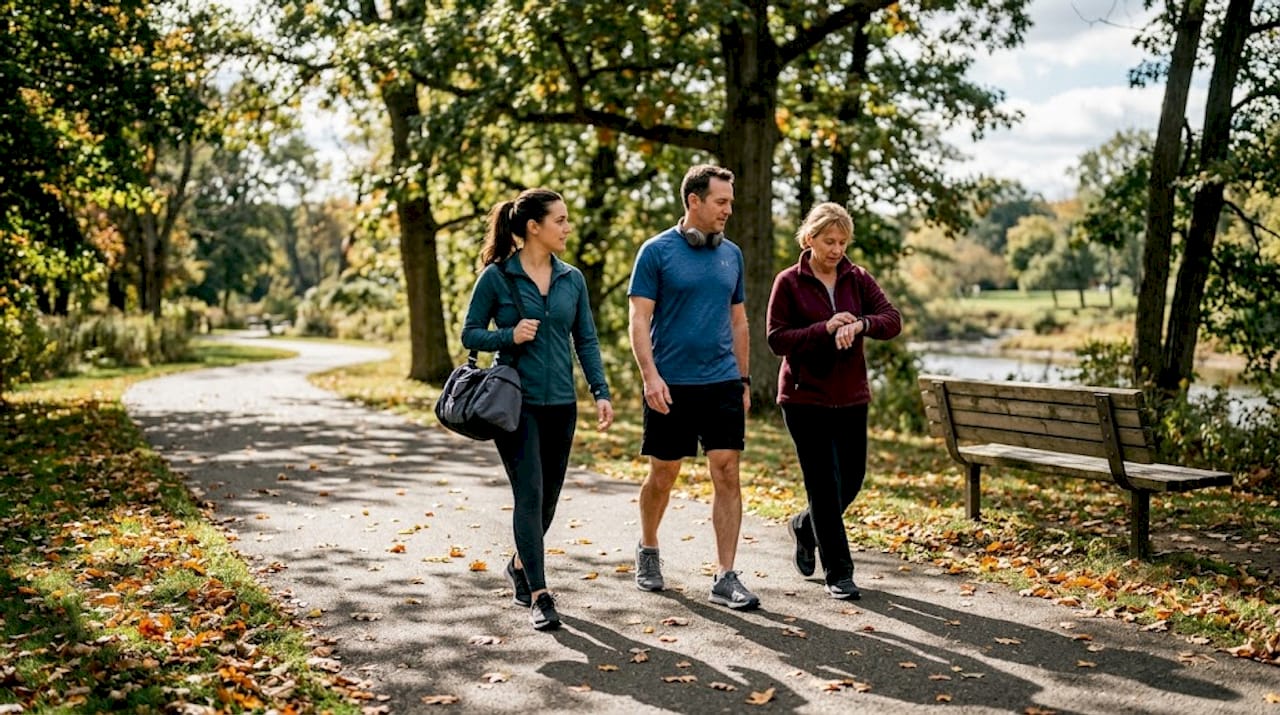
Stat callout: Mindfulness combined with regular movement can reduce anxiety as effectively as medication in some clinical trials. That is not a reason to skip professional care, but it is a compelling reason to lace up your sneakers.
Here is a quick comparison to help you find the right fit:
| Activity type | Examples | Best for |
|---|---|---|
| High-impact | Running, cycling, aerobics | Fast cortisol reduction, cardiovascular health |
| Low-impact | Walking, yoga, tai chi | Joint-friendly, accessible, easy to sustain |
| Mindful movement | Qigong, stretching, dance | Combines relaxation response with movement |
| Social exercise | Group fitness, team sports | Doubles as social connection and stress relief |
Bergen County offers a wealth of options to get moving without spending a dime:
- Ramapo Valley County Reservation for trail walks and hikes
- Saddle River County Park for flat, family-friendly paths
- Overpeck County Park for open-air yoga and group fitness events
- Local YMCAs and community centers with affordable memberships
- Bergen County parks department seasonal fitness programs
Exercising with a partner or joining a group class dramatically improves long-term adherence. When someone else is counting on you to show up, you actually do. Explore top Bergen County therapies that incorporate movement-based approaches, or check out holiday stress tips for keeping your routine going during high-pressure seasons.
Strengthen social connections to buffer stress
Physical self-care is crucial, but connection with others is equally important. Let’s see how relationships can act as a shield against stress.
Loneliness is not just uncomfortable. It is physiologically harmful. Research from the American Heart Association confirms that social connections buffer the effects of stress and that maintaining ties with friends and family is a concrete health strategy, not a soft suggestion. Even brief, positive interactions, a quick call with a friend or a chat with a neighbor, can interrupt the stress cycle.
Here is how different types of connection compare:
| Connection type | Examples | Key benefit |
|---|---|---|
| One-on-one | Coffee with a friend, family dinner | Deep emotional support, trust |
| Group activities | Book clubs, fitness classes, faith communities | Sense of belonging, shared purpose |
| Volunteer work | Local food banks, community gardens | Meaning, perspective shift |
| Support groups | Grief groups, caregiver circles | Shared experience, reduced isolation |
For Bergen County adults, here are concrete ways to build more connection into your week:
- Join a walking group through a local community center
- Sign up for a class at Bergen Community College’s continuing education program
- Volunteer with organizations like Bergen Volunteers
- Attend events at local libraries or cultural centers
- Reach out to one person you have been meaning to reconnect with
Pro Tip: Combine exercise and connection by joining a group fitness class or organizing a weekly walk with a neighbor. You get both benefits at once, and accountability keeps you showing up.
Positive self-talk and hobbies also reinforce the resilience that social connection builds. When stress feels persistent or isolation runs deep, social connection resources and professional support groups can bridge the gap. Taking that step is not a sign of weakness. Addressing mental health stigma is part of what makes it possible to ask for help in the first place.
Why the best stress management tip is the one you’ll actually use
Here is an honest take from years of working with Bergen County adults: the most sophisticated stress management plan in the world does nothing if you do not follow it. We see this constantly. Someone reads about a five-step morning routine, tries it for three days, and then abandons it entirely when life gets busy. The all-or-nothing approach is the enemy of real progress.
What actually works is starting small and staying consistent. One breathing exercise before bed. A 15-minute walk three times a week. A weekly phone call with someone who makes you laugh. These are not dramatic interventions, but regular practice combined with exercise and social support produces measurable, lasting change.
Tracking your mood with a simple app or journal also helps. When you can see that your stress levels dropped after two weeks of consistent walks, that data motivates you to keep going. Progress that is visible is progress that sticks.
The more support you have around you, whether from friends, family, or a therapist, the easier it becomes to maintain these habits when life pushes back. We encourage Bergen County adults to think of stress management not as a rigid program but as a flexible, evolving practice. Start where you are. Adjust as you go. Use mental health tracking tools to stay honest with yourself about what is working.
Find support and take the next step
Sometimes self-care and social support are not enough on their own, and that is completely okay. Chronic stress often has roots that run deeper than any breathing exercise can reach alone.

At Bergen County Therapist, Dr. Stephen Oreski and his team offer personalized therapy for individuals, couples, and families who are ready to build stronger coping skills. Whether you want to explore psychotherapy options or are ready to start therapy in Bergen County, the first step is a free consultation. Understanding the counseling benefits available to you can make that decision feel much less daunting. Reaching out for professional support is one of the strongest, most self-aware things you can do.
Frequently asked questions
What are the most effective stress management techniques?
Relaxation techniques like deep breathing and guided imagery, combined with regular exercise and strong social connections, are consistently shown to be among the most effective approaches for managing stress.
How much exercise should I get to reduce stress?
Most experts recommend at least 150 minutes per week of moderate activity, but even shorter sessions of walking or yoga provide meaningful stress relief when practiced regularly.
How do social connections help with stress management?
Maintaining ties with friends and family buffers the physiological and emotional effects of stress, reducing feelings of isolation and improving overall resilience.
Can relaxation techniques improve sleep?
Yes. Techniques like progressive muscle relaxation and deep breathing have shown promising results for insomnia and sleep quality, especially when practiced consistently before bed.
What should I do if these tips aren’t enough?
If stress remains overwhelming despite your efforts, consider speaking with a mental health professional. Persistent stress often responds well to therapy, where you can get personalized strategies and real support tailored to your specific situation.