

Most American adults will face at least one traumatic event during their lifetime, and Bergen County residents are no exception. Trauma can disrupt daily life, making recovery feel like an uphill battle. Understanding how Cognitive Behavioral Therapy transforms this struggle is critical for anyone seeking a more hopeful path to healing. By challenging misconceptions and highlighting proven techniques, this guide uncovers practical strategies that empower individuals to rebuild personal strength and emotional resilience.
Table of Contents
- CBT For Trauma: Core Concepts And Myths
- Different Approaches In Trauma-Focused CBT
- Key Steps And Techniques In Treatment
- Addressing Risks And Common Misconceptions
- Comparing CBT With Other Trauma Therapies
Key Takeaways
| Point | Details |
|---|---|
| Understanding Trauma-Focused CBT | Trauma-Focused Cognitive Behavioral Therapy (TF-CBT) is a flexible, evidence-based approach tailored to individual experiences and effective across various trauma types. |
| Core Phases of Treatment | The treatment involves three main phases: stabilization, trauma narration, and integration, each critical for progressive healing. |
| Addressing Misconceptions | Common misconceptions include fears of retraumatization and rigidity in treatment; however, trained professionals create safe, personalized therapeutic environments. |
| Comparison with Other Therapies | CBT, Cognitive Processing Therapy, and Prolonged Exposure each offer unique methods for addressing trauma, highlighting the need for personalized treatment planning. |
CBT for Trauma: Core Concepts and Myths
Cognitive Behavioral Therapy (CBT) for trauma represents a powerful therapeutic approach designed to help individuals process and heal from deeply distressing experiences. Unlike traditional talk therapy, CBT offers a structured, evidence-based method for understanding how traumatic events impact thought patterns and behavioral responses. Cognitive Behavioral Therapy (CBT): A Complete Guide provides comprehensive insights into this transformative treatment modality.
At its core, trauma-focused CBT challenges several persistent misconceptions about psychological healing. Contrary to popular belief, this approach is not a rigid, one-size-fits-all treatment but a flexible framework tailored to individual experiences. Research from Cambridge University highlights that trauma-focused CBT can effectively address various trauma types, challenging myths about its applicability. The therapy directly confronts negative beliefs, unhelpful thought patterns, and maladaptive responses that emerge following traumatic experiences.
Key misconceptions about CBT for trauma include beliefs that the treatment might retraumatize patients or is inappropriate for certain trauma types. However, professional research demonstrates that when conducted by trained professionals, CBT provides a safe, structured pathway to healing. The therapy incorporates exposure-based techniques that help individuals gradually confront and process traumatic memories without overwhelming their psychological defenses. By systematically addressing cognitive distortions and emotional responses, CBT empowers individuals to reconstruct their understanding of traumatic experiences and develop healthier coping mechanisms.
Pro Tip: When seeking trauma therapy, ask potential therapists about their specific training in trauma-focused CBT and their approach to managing potential emotional triggers during treatment.
Different Approaches in Trauma-Focused CBT
Trauma-Focused Cognitive Behavioral Therapy (TF-CBT) represents a nuanced, adaptable approach to addressing psychological trauma, with multiple specialized methodologies tailored to individual patient needs. PTSD Therapy Explained: Complete Guide to Treatment Options illuminates the complex landscape of trauma treatment strategies that go beyond traditional therapeutic interventions.
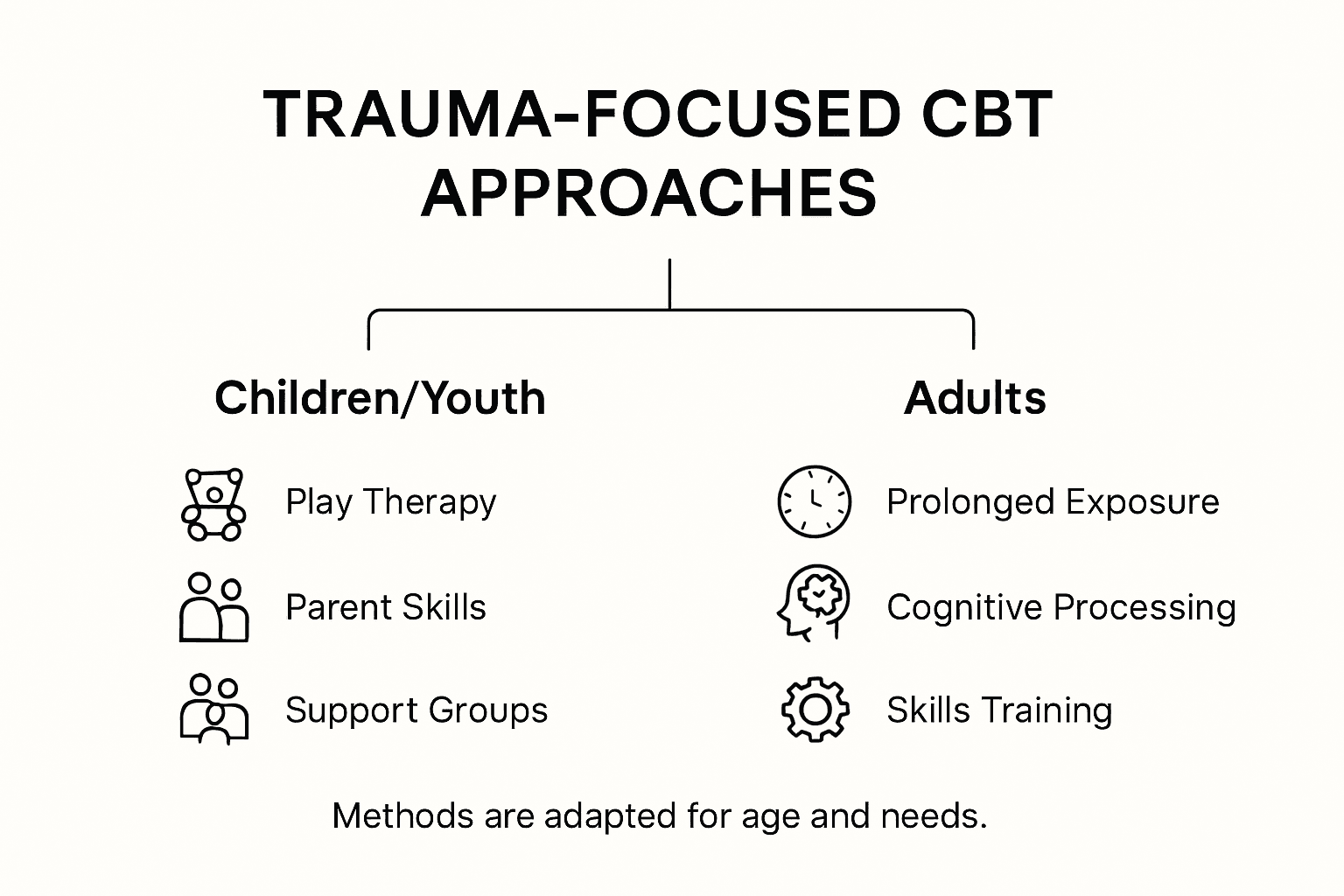
The primary approaches in trauma-focused CBT typically include child-centered, adolescent-specific, and adult-oriented models. Each approach shares core principles while maintaining unique characteristics suited to different developmental stages and trauma experiences. Child trauma interventions, for instance, often incorporate play therapy techniques and involve significant caregiver participation, whereas adult approaches might emphasize more direct cognitive restructuring and exposure-based techniques.
Specialized trauma-focused CBT approaches can be categorized into several key methodologies. These include prolonged exposure therapy, cognitive processing therapy, and eye movement desensitization and reprocessing (EMDR). Each method targets trauma symptoms through distinct mechanisms: exposure therapy helps individuals gradually confront traumatic memories, cognitive processing therapy challenges and reframes negative thought patterns, and EMDR uses bilateral stimulation to help process traumatic memories more effectively.
Pro Tip: Always seek a trauma therapist who demonstrates expertise in multiple CBT approaches and can customize treatment to your specific psychological needs and trauma history.
Here’s a concise summary comparing key trauma-focused CBT approaches:
| Approach | Key Technique | Suitable For |
|---|---|---|
| Prolonged Exposure | Gradual memory exposure | Intense avoidance patterns |
| Cognitive Processing Therapy | Restructuring trauma-related beliefs | Negative self-appraisals |
| EMDR | Bilateral stimulation | Recurrent intrusive memories |
| Child-Centered TF-CBT | Play and caregiver involvement | Children and families |
| Adult-Oriented TF-CBT | Cognitive restructuring, exposure | Complex adult traumas |
Key Steps and Techniques in Treatment
Cognitive Behavioral Therapy (CBT) for trauma treatment follows a structured, strategic approach designed to help individuals progressively heal and reclaim psychological well-being. How to Find a Trauma Therapist: A Step-by-Step Guide underscores the importance of understanding the therapeutic journey before beginning treatment.
The treatment typically unfolds across three critical phases. The first phase focuses on stabilization, where patients develop essential coping skills and learn emotional regulation techniques. Therapists work to create a safe psychological environment, teaching relaxation strategies, cognitive restructuring methods, and stress management skills. This initial stage helps patients build resilience and prepare for deeper trauma processing by establishing a strong foundation of psychological safety and personal empowerment.

The subsequent phases involve trauma narration and integration. During trauma narration, patients gradually confront and reframe traumatic memories using controlled exposure techniques. This process helps deconstruct negative belief systems and reduces the emotional charge associated with traumatic experiences. The integration phase consolidates therapeutic gains, helping patients develop comprehensive safety plans, rebuild self-confidence, and create adaptive strategies for managing potential future triggers. Each session is carefully designed to respect the patient’s emotional boundaries while systematically dismantling trauma-related psychological barriers.
Pro Tip: Document your emotional responses and insights during therapy, as this can help you and your therapist track progress and identify important patterns in your healing journey.
The table below outlines the three main phases of CBT for trauma:
| Phase | Focus Area | Example Techniques |
|---|---|---|
| Stabilization | Emotional regulation, safety | Relaxation, coping skills training |
| Trauma Narration | Processing traumatic memories | Controlled exposure, reframing |
| Integration | Building future resilience | Safety planning, adaptive strategies |
Addressing Risks and Common Misconceptions
Trauma-focused Cognitive Behavioral Therapy (CBT) often confronts significant misconceptions that can prevent individuals from seeking critical psychological support. Role of Trauma Therapy: Pathway to Recovery and Resilience provides essential context for understanding the nuanced realities of trauma treatment approaches.
One prevalent misconception is that trauma therapy will automatically retraumatize patients by forcing them to relive painful experiences. In reality, professional trauma-focused CBT is carefully structured to create a safe, controlled environment where patients gradually process traumatic memories with professional guidance. Therapists use specialized techniques that allow patients to explore their experiences at a pace that feels comfortable and manageable, ensuring psychological safety throughout the treatment process.
Another critical misunderstanding involves the belief that trauma therapy is only suitable for specific types of trauma or that it follows a rigid, one-size-fits-all approach. Contemporary research demonstrates that trauma-focused CBT is highly adaptable, capable of addressing diverse traumatic experiences ranging from childhood abuse to combat-related stress. The therapy’s flexibility allows clinicians to customize interventions based on individual patient needs, developmental stages, and specific psychological responses. This personalized approach challenges the outdated notion that trauma treatment requires a uniform methodology.
Pro Tip: Before starting therapy, discuss your specific concerns and misconceptions directly with your therapist to establish a transparent, collaborative approach to your healing journey.
Comparing CBT with Other Trauma Therapies
Trauma therapy encompasses multiple approaches, each with unique strategies for psychological healing. Understanding CBT: What It Is & How It Works provides foundational insights into how different therapeutic methodologies address trauma’s complex psychological impact.
Cognitive Processing Therapy (CPT) and Prolonged Exposure (PE) represent two alternative trauma treatment approaches that share similarities with Cognitive Behavioral Therapy. While CBT focuses on identifying and restructuring negative thought patterns, CPT specifically targets trauma-related beliefs through a structured 12-session protocol. Prolonged Exposure therapy, in contrast, emphasizes gradual and repeated confrontation with traumatic memories to reduce avoidance and emotional reactivity. These approaches differ primarily in their theoretical frameworks and specific intervention techniques, though they share the fundamental goal of reducing trauma-related psychological distress.
Each therapy method offers distinct advantages depending on individual patient needs. CBT’s broader approach allows for more flexible intervention, making it particularly effective for patients with complex or multiple traumatic experiences. Cognitive Processing Therapy provides a more manualized, structured approach ideal for patients who benefit from clear, step-by-step therapeutic protocols. Prolonged Exposure therapy works exceptionally well for individuals struggling with severe avoidance patterns and intrusive traumatic memories. The key is recognizing that no single approach universally suits every patient, highlighting the importance of personalized treatment planning.
Pro Tip: Discuss your specific trauma history and personal comfort levels with a professional therapist to determine which therapeutic approach might be most suitable for your healing journey.
Discover How Trauma-Focused CBT Can Transform Your Healing Journey
If you are confronting the lasting impact of trauma and seeking a structured yet compassionate approach to regain emotional balance and rebuild your life CBT offers a proven pathway to healing. This therapeutic method directly addresses the negative beliefs and unhelpful thought patterns caused by trauma while empowering you with coping skills tailored to your unique experience. Explore deeper insights in our Trauma / PTSD Archives – Dr. Stephen Oreski & Associates to understand how specialized trauma treatment can meet your needs.

Take control of your healing today with personalized support from Dr. Stephen Oreski and his team. Our practice at https://bergencountytherapist.com provides accessible in-person and online therapy options, designed to safely guide you through every step of trauma-focused CBT. Learn more about the foundational techniques on our Cognitive Behavioral Therapy (CBT) Insights from Experts – Dr. Stephen Oreski & Associates page. Contact us now and start your free consultation to take the next step toward lasting resilience and psychological well-being.
Frequently Asked Questions
What is Cognitive Behavioral Therapy (CBT) for trauma?
Cognitive Behavioral Therapy (CBT) for trauma is a structured, evidence-based therapeutic approach aimed at helping individuals process and heal from traumatic experiences by addressing negative thought patterns and behavioral responses.
How does trauma-focused CBT differ from traditional talk therapy?
Trauma-focused CBT is more structured and adaptive, offering specific techniques such as exposure therapy and cognitive restructuring to directly confront and reframe trauma-related memories and beliefs, unlike traditional talk therapy, which may be less structured and more open-ended.
What are the key steps involved in trauma-focused CBT treatment?
The treatment typically unfolds in three phases: stabilization (building coping skills), trauma narration (gradually confronting traumatic memories), and integration (consolidating therapeutic gains and developing future resilience).
Is trauma-focused CBT suitable for all types of trauma?
Yes, trauma-focused CBT is adaptable and can effectively address various types of trauma, from childhood abuse to combat-related stress, making it a flexible treatment option tailored to individual patient needs.